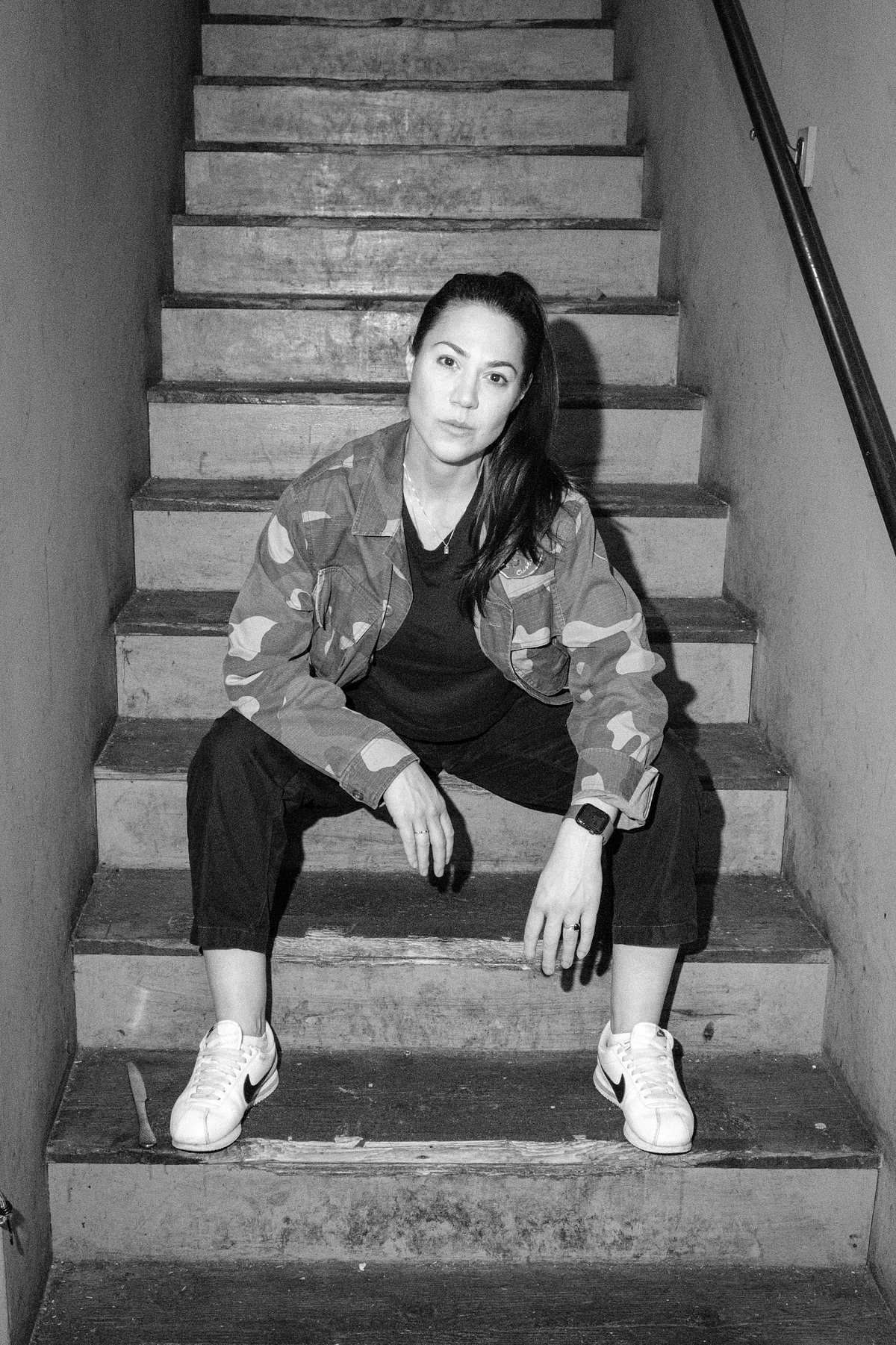
A stand-up comedian and dynamic host making her mark on the comedy scene with quick wit, infectious energy, and an undeniable ability to connect with a crowd. Whether commanding the stage with her own material or keeping a packed room engaged between performers, she brings a natural charisma and sharp comedic instincts that make every show feel unpredictable, personal, and genuinely fun. As part of We Own The Laughs.com’s Comedian of the Day, have a few laughs and get to know comedian Niki Wright. The Vancouver, British Columbia, Canada native shares some of her favorite moments in stand-up comedy and explains how she always owns the laughs.
Name: Niki Wright
Hometown: Vancouver, British Columbia, Canada
Instagram/Tik-Tok: @niki_wright_comedy
Years in Comedy: 3
Haven’t we seen you somewhere before: Nope
Comedic Influences: Taylor Tomlinson, Jared Fried, & John Mulaney
Favorite Comedy Album: Bo Burnham, “Inside” (I know this was also released as a special of sorts, but I’ve listened to it as an album too many times).
Favorite Comedy Special: It’s hard to pick just one, but Super Troopers rocked my teen years hard.
Favorite Comedy Movie: It’s hard to pick just one, but Super Troopers rocked my teen years hard.
Favorite Comedy TV Show: Arrested Development. (Also shoutout to Extras. It only had two seasons, but it bangs so hard.)
Favorite Comedic Character: Lucille Bluth is goated.
Favorite City to Perform In: Tokyo and Osaka, Japan. The experience of performing in such an amazing country made these shows among my most memorable. The shows were fun, the local comedians were fantastic people, and it was a great experience overall.
Favorite Topics to Joke About: My parents. I absolutely adore them. I’m happy that I can incorporate them into my comedy in a positive way.
Favorite Type of Audience for a Comedy Show: The best shows are when you can feel that the audience is buzzing because they believe they are going to have a great night. An audience with the mindset of “this is going to be so much fun” is unbeatable. Controversial opinion, but I’d argue that every show should have one bachelor party in the crowd — they are usually the right amount of drunk, never offended, and ready to laugh hard.
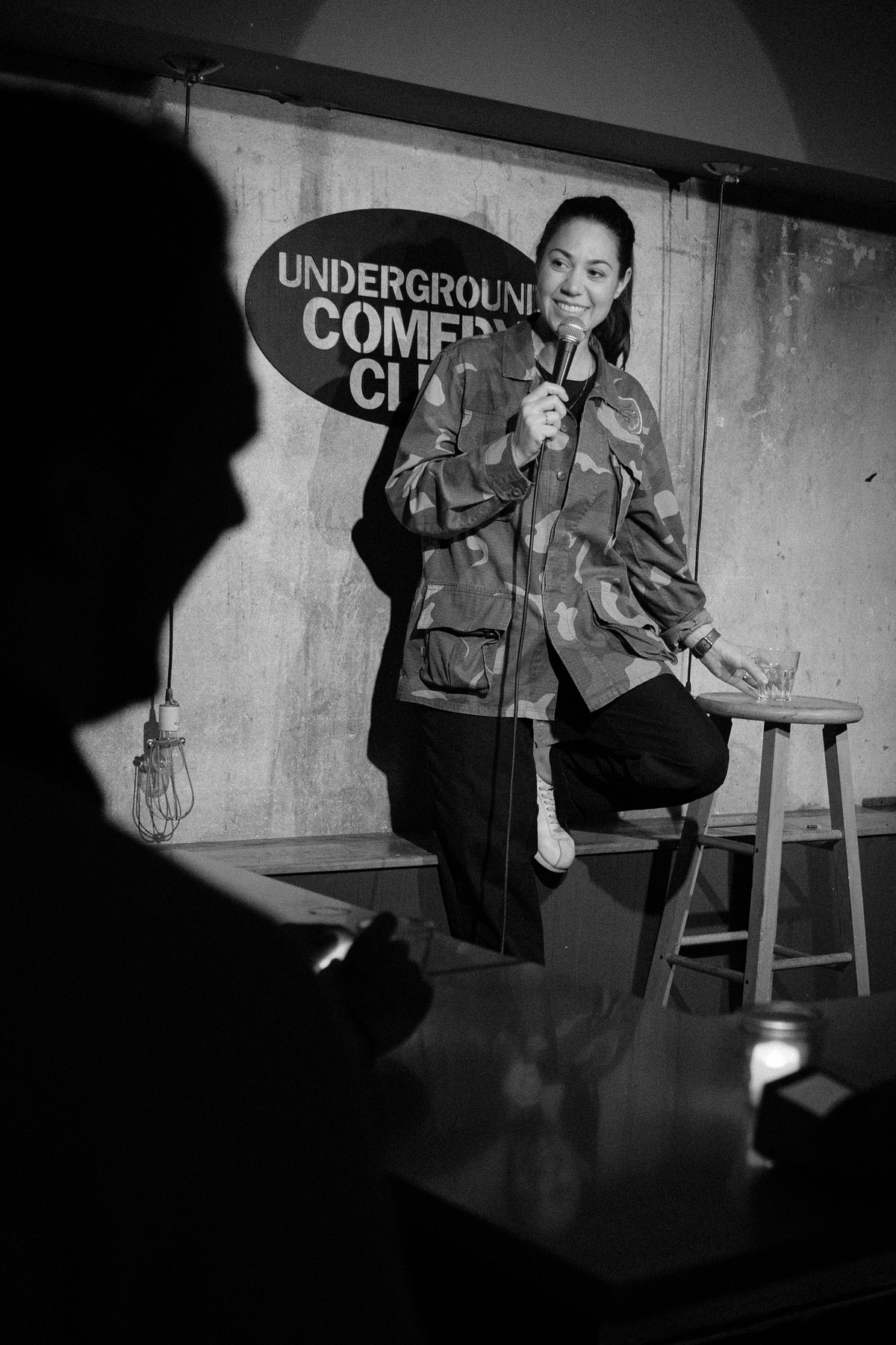
Favorite Comedy Club: Underground Comedy Club. As the general manager, I am biased. However, it truly is a killer spot for comedy in Vancouver, BC, and has featured the likes of Marc Maron, Usama Siddiquee, Lucas Zelnick, Craig Robinson, and more. It’s a small room that punches way above its weight.
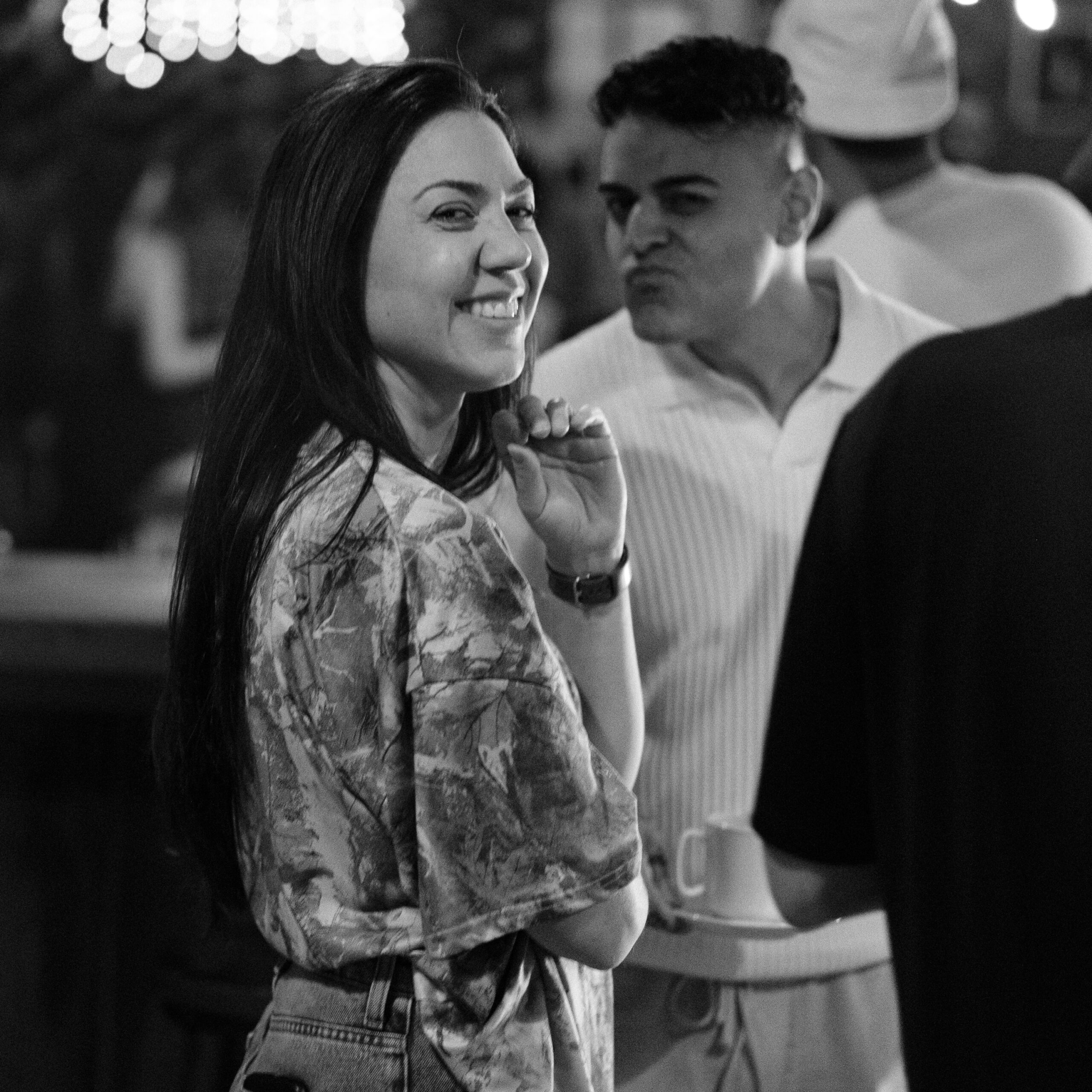
How did you discover your passion for comedy:
I grew up watching Just for Laughs on TV and always loved stand-up comedy. I worked in radio for 15 years, which taught me a lot about joke structure and sharp storytelling. After leaving radio, I decided to pursue stand-up comedy (with a push from close friends who were doing it very successfully), and I’ve never looked back.
What do you remember most about your first time performing stand-up comedy:
What a beautifully fond memory to think about. I found an open mic at a pub that was more than an hour away from where I lived — if I was gonna embarrass myself, I wanted to do it in secret. I think my hand was shaking so badly when I wrote my name down on the list that I had to write it twice. I was something like #20 on the list, which is a horrible experience for your nerves to have to wait that long. As many comedians will say of their own experience, my first set went surprisingly great and it gave me the confidence to believe I could do it again. Proudly, I did not bring notes on stage. I met some great comedians that evening — some of whom I am still friends with today. And as many comedians will say of their own experience, my second set went terribly (but that’s a story for another day).
How would you describe your comedic style:
Smart, but accessible, punchy, and certainly cheeky (and I’d like to think a little charming). I like to take risks and throw a lot of jabs, but the balance is that I also make fun of myself. I like to keep the energy up; I want to have fun with the audience and see us as partners in the experience.
Describe your process for comedic writing:
Primarily, I write on my laptop. I might jot thoughts down in my phone or riff an idea on stage, but I get most of my best writing done with my laptop open in front of me when I can get into a flow state.
I also like to see a joke written out so I visually determine where there needs to be more punches or tags, if I could change a word for a better one, and where I can trim the fat and cut words. Then I might write it out by hand in my joke book if I’m trying to remember the beats.
Describe the comedy scene in your area:
Vancouver, BC, has a great comedy scene. There are three comedy clubs all within a few blocks of each other along Abbott Street, with a few other comedy spots nearby. It can be very fun on weekends when the street becomes a freeway for comedians bopping between gigs — you’ll always see comics you know. There are always lots of shows happening and lots of opportunities to do spots five or six nights a week. I don’t know if we’re a big enough market to sustain a large, 200-seat club, but we definitely have the ambition for it.
The scene is also very diverse — some clubs/shows service a very left-leaning, progressive, West Coast audience, while other producers are successfully running Kill Tony-style shows. Of course, in the middle of that is a mainstream audience with lots of tourists.
Interestingly, the Vancouver audiences are known for being a little bit tight (they can be afraid to laugh at things that are “offensive” or just be sleepy from too much weed). However, any good comic here will say that it just makes us stronger as comedians.
How do you judge success in the world of comedy:
I judge my own success in comedy becoming the best writer and performer that I can possibly be. Anything that comes from that is secondary, but meaningless without that foundation.
Who are some of your comedic peers that you enjoy watching perform or inspire you personally and professionally:
Our scene has some absolute killers: Alex Carr, Akeem Hoyte-Charles, Sean McDonnell, Ryan Williams, Bobby Warrener, Dino Archie, and of course, Ivan Decker.
What’s been your most memorable moment in comedy:
I’ve done some amazing trips with Jon Gagnon (check out his special, Decorative Soap), like performing in Mexico. Some of the best feelings I’ve had on stage have come from performing with comedians like Usama Siddiquee and Trixx — their crowds are so great and they are both inspiring and kind people. I recall the surreal feeling of the first time I made a large theatre laugh and how good that felt. I remember looking Marc Maron dead in the eyes while performing a totally mid set and how bad that felt (Laughs).
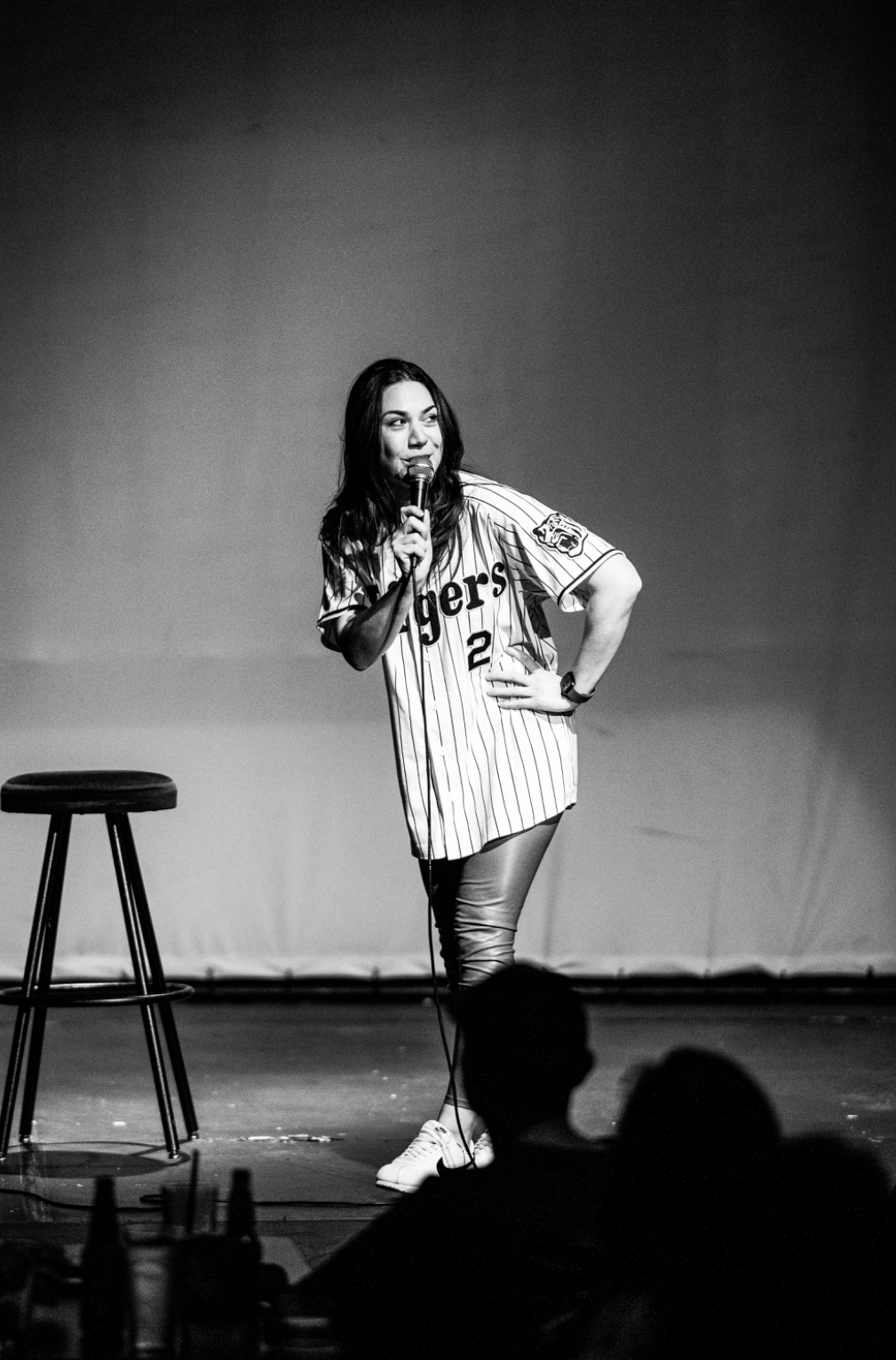
What have you learned most from your failures in comedy:
Not just to keep writing and performing, but to get smarter when doing it. I try to keep leveling up instead of repeating my failures — so that means reading books about comedy, writing with friends, watching sets back to see what I can change, accepting feedback, challenging myself to do things out of my comfort zone, getting stategic with social media, working in different cities to be in front of different audiences. Failure hurts, especially in comedy, but there is always a lesson in it.
How do people react toward you when they realize that you can make people laugh:
People usually just want to chat and share more laughs together. It’s a great feeling that people feel connected to you through humour.
Describe building a career in stand-up comedy:
You have to work hard and dedicate years to the practice. New comedians want to be Matt Rife, even if it takes all week. I started by doing open mics and made friendships within that scene. Someone producing a show asked me to be on it, and thus I began to graduate to the next level: bar and pub shows. Eventually, a friend vouched for me to perform at a club and I got a five minute spot. It went well, and when the club was looking for new comedians to add to their staff, I was asked to come onboard.
Working at Underground Comedy Club helped level me up so significantly because I was getting regular stage time, learning about producing shows, and being exposed to very talented comedians. That led to more opportunities at other clubs and theatres, as well as road gigs.
I also surround myself with comedians who are supportive and inspiring. For example, I meet weekly with my friend, Jackie Amsden, to brainstorm jokes and discuss our comedy goals. We also produce a monthly show together.
If you could change one thing in the world of comedy, what would it be:
That comedians would be less judgmental of each other. I think often we get too focused on what other comedians are doing, if they deserve whatever credits they’re receiving, how much crowd work they do, etc. At the end of the day, who cares. I’m certainly not above it (I like to gossip as much as the next person) and I agree that aspects of the industry can be extremely frustrating, but the scene would be better if we celebrated each other more. All the comedians I love and respect the most are simply damn hard workers and very funny people.
Best advice you’ve ever received from a comedian:
To always say yes when offered a gig. If you say no, producers will naturally stop asking. Anyways, we do this because we love it — so just say yes.
If you were releasing a comedy special this week, what would it be called:
“Bloated and Pale, but Still Alive.” That title is specific to this week only (Laughs).
Funniest encounter you’ve ever had with a celebrity:
I met Martin Sheen once at a charity event. I was with a kid who I was mentoring through the Boys and Girls Club. She asked him, “You’re Charlie Sheen’s dad?” and he shrugged and replied, “well, someone has to be.”
Weirdest place you’ve ever performed any form of comedy:
On a balcony overlooking a backyard. This great guy named Darwin invited his neighbours to come over for a free comedy show in his yard (BYOLC – bring your own lawn chair). The house was in an interface area, where the forest meets suburbs, and this was bear country. On our way to the gig we saw a bear; the siding on his house was damaged from bears chewing on it; the neighbourhood garbage cans were locked to keep bears out. We sat in his kitchen until the sun went down and then he was like, “okay, time to go outside and perform!” Oh, you mean, out there in the dark with the bears?!
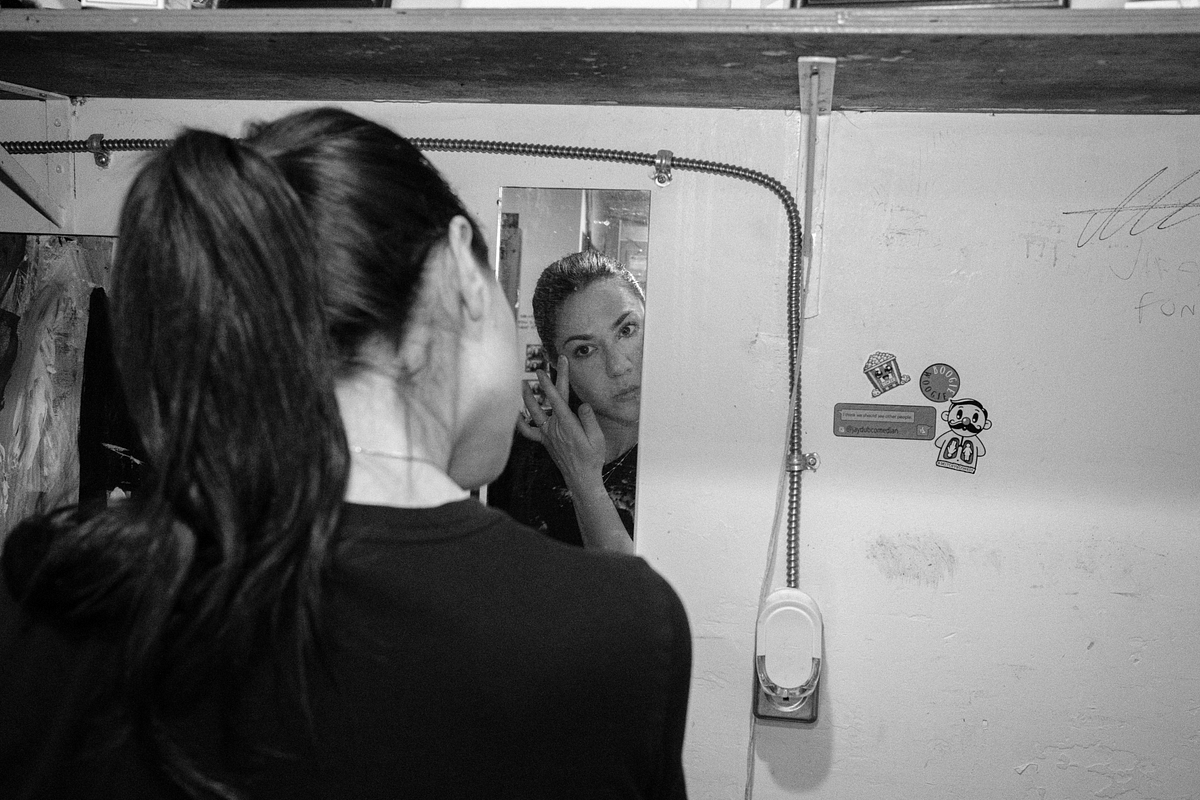
A Niki Wright Fun Fact:
I have worked very hard to befriend the crows in my neighbourhood. They recognize me and will follow me. I am amassing an army of crows, and I’m extremely proud of this.
Where would you like your laughs to take you:
One day, I’d like to release a special and work with some of the many incredible mega comedians of my generation, but I can appreciate that comedy is a long road. I’m in no rush and my only aspiration is to just keep getting better.
What would you tell a potential comedian if they ask you how they can own the laughs:
Find an open mic and go watch the show. Talk to the host or producer to find out what the sign-up process is like and how much time they expect you to do. Set a date in your calendar so that you have a deadline to write your first five minutes of material…then go do it.
Then, I would say humble yourself enough to dissect your own work. Record your set and watch it back — ask yourself what you can do better next time. Take one of your jokes and write it out word for word, then see how many useless words you can cut and where you lack punchlines or tags. Explore the premise and see if you can dig deeper.
I appreciate that might not be a comfortable practice for everyone, but self-awareness and self-examination will only make us better.
What are your thoughts on the future of comedy:
I think it’s great. Social media allows for so many comedians to fill so many niches. Comedians who have really unique styles can now get eyes on their work in ways they couldn’t before. You don’t need to move to a major city centre and pray for a spot on late night television anymore to get discovered. The industry used to control who became a household name, but thanks to the internet (and a ton of hard work and talent), comedians like Ryan Long can find their audience and control their destiny. Netflix is also growing the audience. It exposes people to standup comedy in their homes, and many of those people are then finding comedy shows in their cities to check out.
If you could write an episode for ONE classic TV sitcom, which show would it be:
Okay, here me out: We remake the Beverly Hillbillies and we get Limp Bizkit to do the theme song. It stars whatever Kardashians we can round up and Travis Kelce plays Jed Clampett. You’re welcome.
If you could choose ONE comedy club and THREE comedians to perform with on your perfect comedy show, how would it go:
The Comedy Store in LA with Matt Rife, Taylor Tomlinson, and my best friend in the entire world, Alex Carr. Weird lineup, but it’s my fantasy so whatever.
What’s next for you:
I have a tour in Alberta, Canada, coming up in October with Jon Gagnon and Akeem Hoyte-Charles. They are both awesome comedians and have been so fundamental in providing me with opportunities to grow into the comedian I am today.
Why should a person always laugh at life:
Humour is just one way to view the world. You can see the world through a lens of anger, victimhood, apathy, or whatever you like; but it’s a much nicer journey when you can laugh instead.
Follow Niki Wright’s comedic journey on these social media websites:
Instagram/Tik-Tok: Niki Wright
Personal Website: Niki Wright