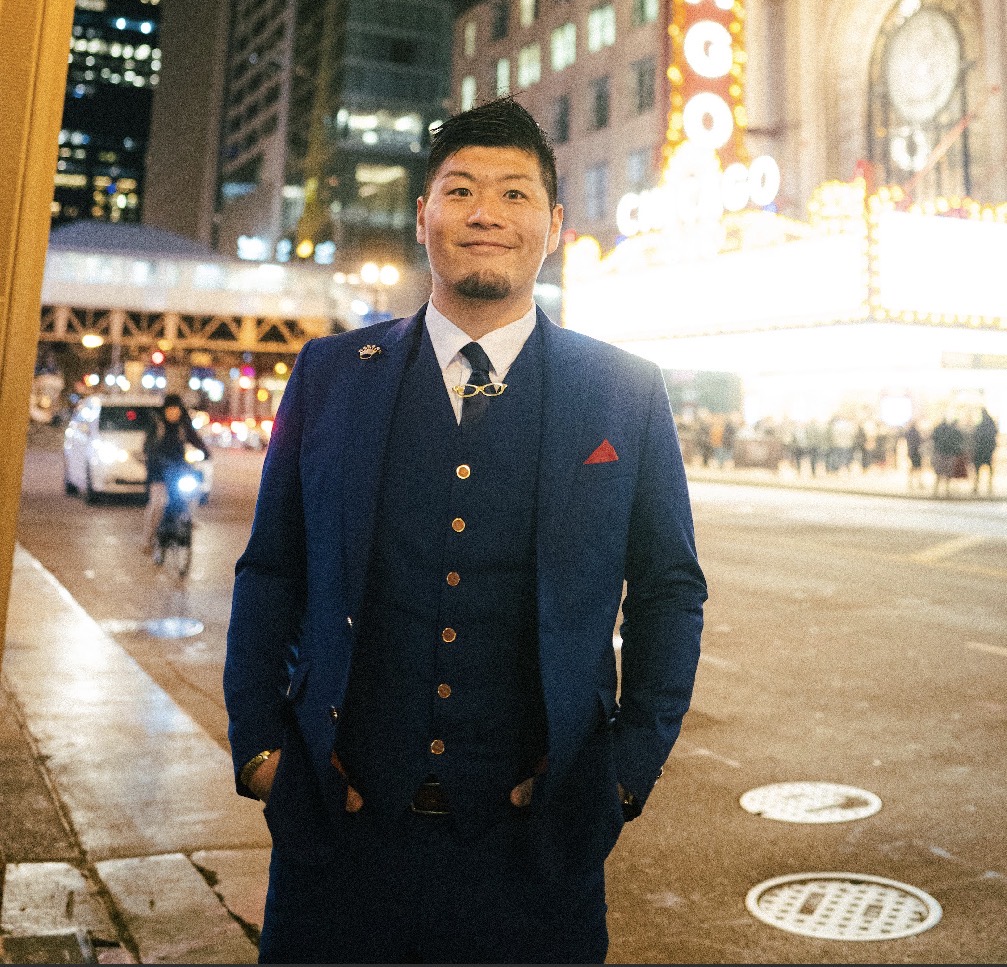
He has appeared on platforms showcasing his unique voice to a national audience. A Japanese-born stand-up comedian, writer, and storyteller known for his sharp cultural observations and deeply personal humor. As part of We Own The Laughs.com’s Comedian of the Day, have a few laughs and get to know comedian Saku Yanagawa. The Chicago, IL native shares some of his favorite moments in stand-up comedy and explains how he always owns the laughs.
Name: Saku Yanagawa
Hometown: Japan/Chicago, IL
Instagram/Twitter/Tik-Tok: @saku_yanagawa
Years in Comedy: 15
Haven’t we seen you somewhere before: All Japanese Networks (NTV, TBS, FUJI TV, NHK)
Kenya (NTV) UK (Channel 4) USA; Cubs Commercial
Comedic Influences: Jim Carrey
Favorite Comedy Album: I love studying the history of comedy, so Inside Shelley Berman is a meaningful one for me.
Favorite Comedy Special: Ronny Chieng “Asian Comedian Destroys America!”
Favorite Comedy Movie: The Blues Brothers
Favorite Comedy TV Show: SNL
Favorite Comedic Character: Ace Ventura
Favorite City to Perform In: Chicago
Favorite Topics to Joke About: Daily life and what it’s like living in America as a Japanese immigrant.
Favorite Type of Audience for a Comedy Show: Audiences who can understand my English.
Favorite Comedy Club: The Laugh Factory (Chicago)
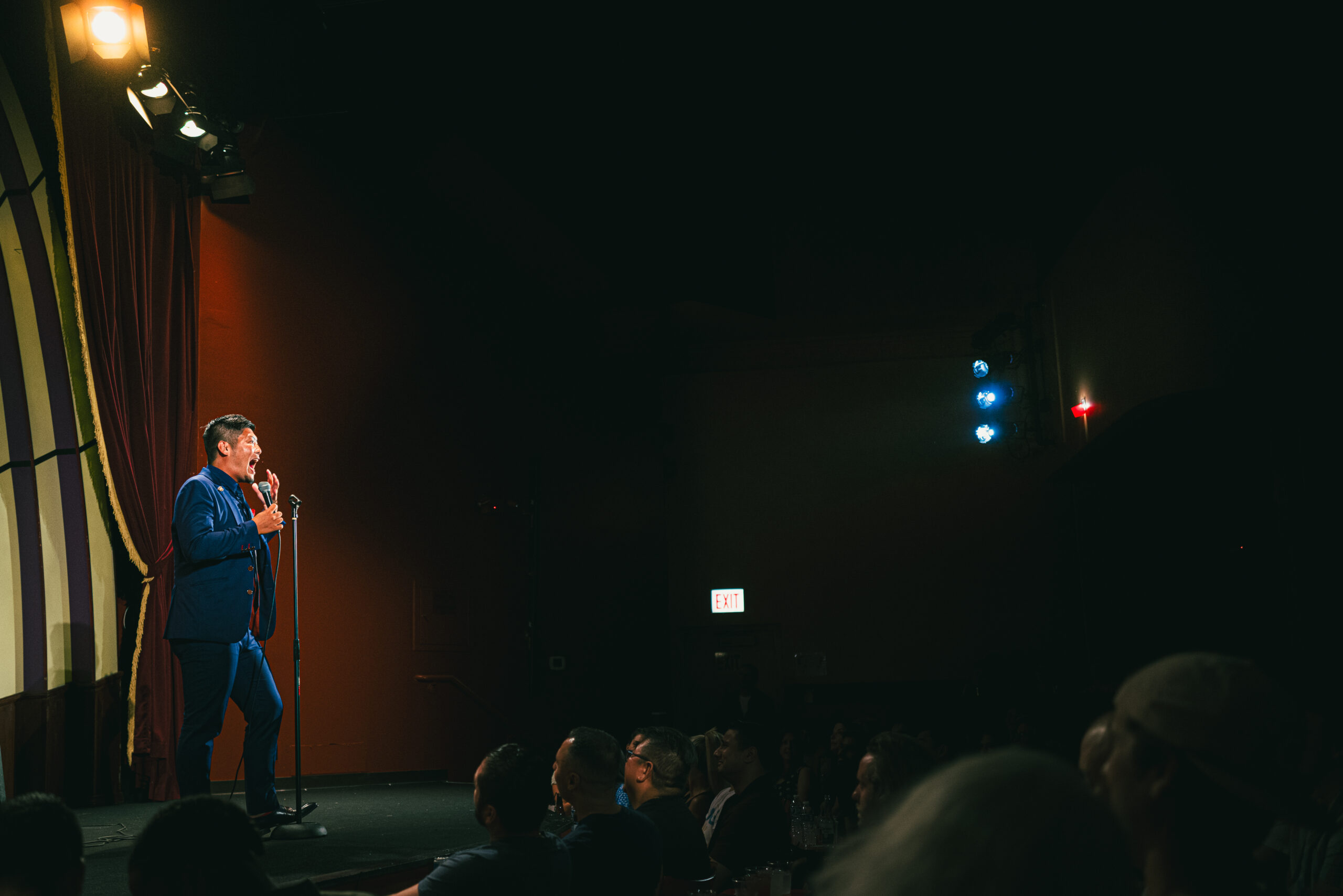
How did you discover your passion for comedy:
When I was in college, I happened to see a Japanese stand-up comedian featured on TV in Japan. It felt like electricity ran through my body. I immediately thought, “This is what I have to do.” The next day I skipped class and flew to New York. I’ve been addicted to stand-up comedy ever since.
What do you remember most about your first time performing stand-up comedy:
My first open mic was at Broadway Comedy Club in New York. It was also my first time performing in English. My legs were shaking from nerves. But a comedian visiting from Second City Chicago told me I was funny and recommended an open mic happening there the next day. So naturally, I flew to Chicago the next day.
How would you describe your comedic style:
I observe everyday American life from a unique perspective and turn those observations into comedy.
Describe your process for comedic writing:
I write down things I notice in daily life and develop them into material. Once a joke feels ready, I test it on drunk people at a local dive bar. If it bombs, they’re drunk anyway, so I don’t take it too personally.
Describe the comedy scene in your area:
The Chicago comedy scene is incredibly strong. I truly believe it’s one of the comedy capitals of the world. The audiences are knowledgeable and genuinely love comedy. Most importantly, comedians support each other. Stand-up, improv, and sketch are all thriving here. That’s one of the reasons I live in this city.
How do you judge success in the world of comedy:
Of course fame, money, and recognition are easy ways to measure success. But to me, the real job of a comedian is making someone laugh who doesn’t share your perspective. If you can express your point of view through a joke and make someone with a completely different opinion laugh, that’s great comedy. Continuing to do that might be the greatest success.
Who are some of your comedic peers that you enjoy watching perform or inspire you personally and professionally:
Drew Dunn.
We met at an international comedy competition in Seattle. We share the same birthday and both switched from baseball to comedy, so I consider him my twin. His delivery, jokes, and stage presence are amazing, and I respect him deeply. On top of that, he’s a great person.
What’s been your most memorable moment in comedy:
Receiving an artist visa in the United States as a stand-up comedian. It took eight years. It’s a visa where the U.S. government has to recognize your artistic ability. Without it, you can’t even stand at the starting line. When I finally got it, I felt relieved—but also like my real career had just begun. Stand-up is a solo art form, but getting that visa reminded me how many people helped me along the way.
What have you learned most from your failures in comedy:
Anyone can fail. Even jokes that usually crush can bomb. That’s why performing regularly—especially in new cities and in front of new audiences—is important. Otherwise I feel like my comedy starts to rust.
How do people react toward you when they realize that you can make people laugh:
They lower their guard. Making someone laugh is a way of saying, “I’m not your enemy.” I lower my guard with jokes first, and when they lower theirs too, a real connection can happen. In that sense, making people laugh is something very powerful.
Describe building a career in stand-up comedy:
It’s about accumulating emotional scars. The longer you do comedy, the more wounds you collect. But by accepting them and facing them, you become kinder to others. Comedy that comes from someone who understands pain tends to become deeper.
If you could change one thing in the world of comedy, what would it be:
Online comedy is great, but I hope more people go to comedy clubs and experience live comedy in person. I’d love more people to feel the excitement I felt when I first saw a live show.
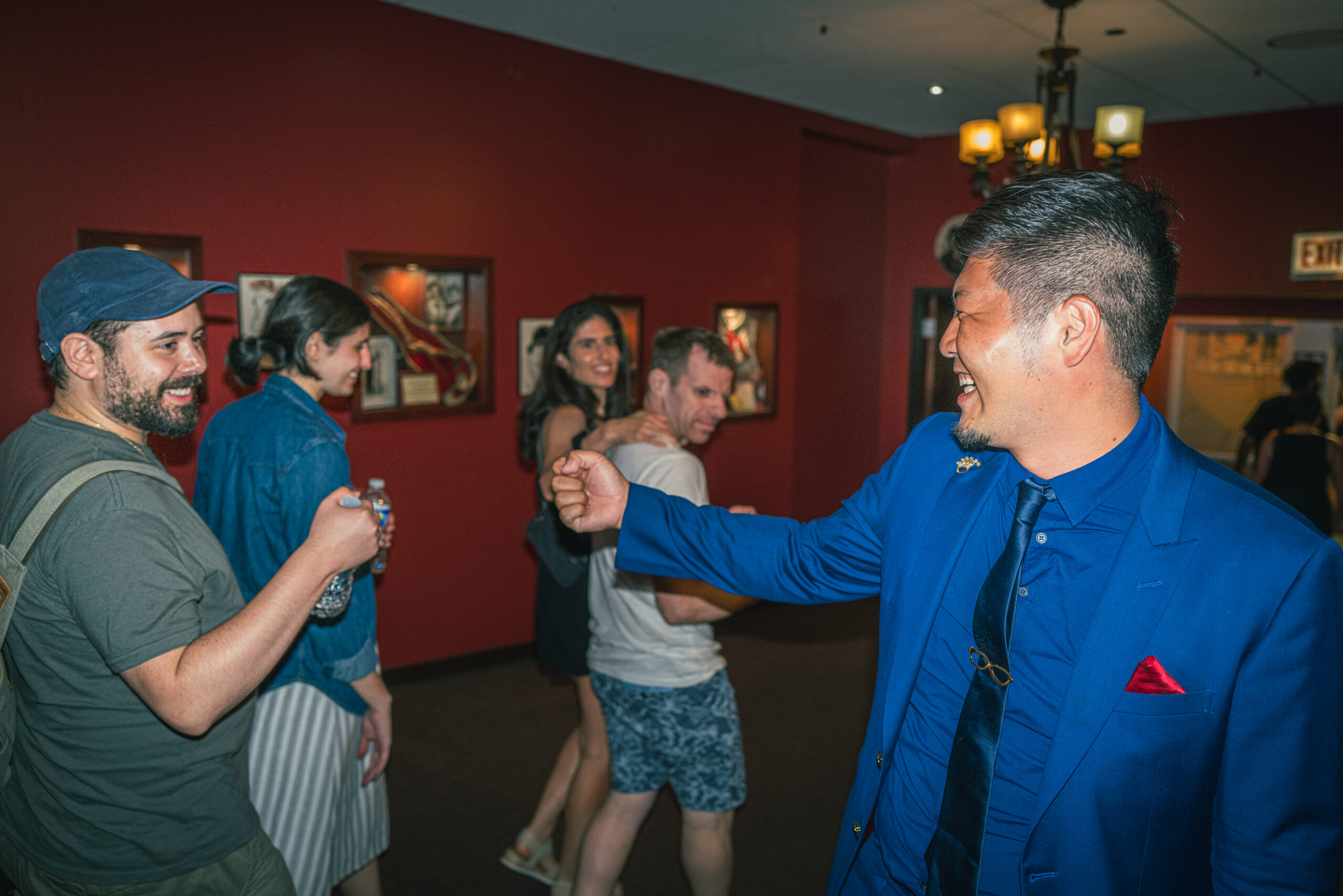
Best advice you’ve ever received from a comedian:
From Rio Koike:
People are either underestimated or overestimated. The world rarely evaluates you exactly as you are. The real test of a person is how they behave when the moment comes that underestimation suddenly turns into overestimation.
If you were releasing a comedy special this week, what would it be called:
“Saku Is In The USA”
Funniest encounter you’ve ever had with a celebrity:
Chicago Cubs manager Craig Counsell invited me to the clubhouse to introduce Japanese culture in front of the entire team and staff. It was a very different kind of audience than a comedy club, but it was a lot of fun.
Weirdest place you’ve ever performed any form of comedy:
A drug rehabilitation center. I was told before the show not to make any drug jokes. Unfortunately my pronunciation of “drag” was so bad it sounded like “drug.” The organizer thought I broke the rule immediately and got furious. I tried to explain it was just my accent… but that didn’t help.
A Saku Yanagawa Fun Fact:
My great-grandfather was the director of the largest zoo in Japan, so I love animals and often visit Lincoln Park Zoo in Chicago. (It’s free!)
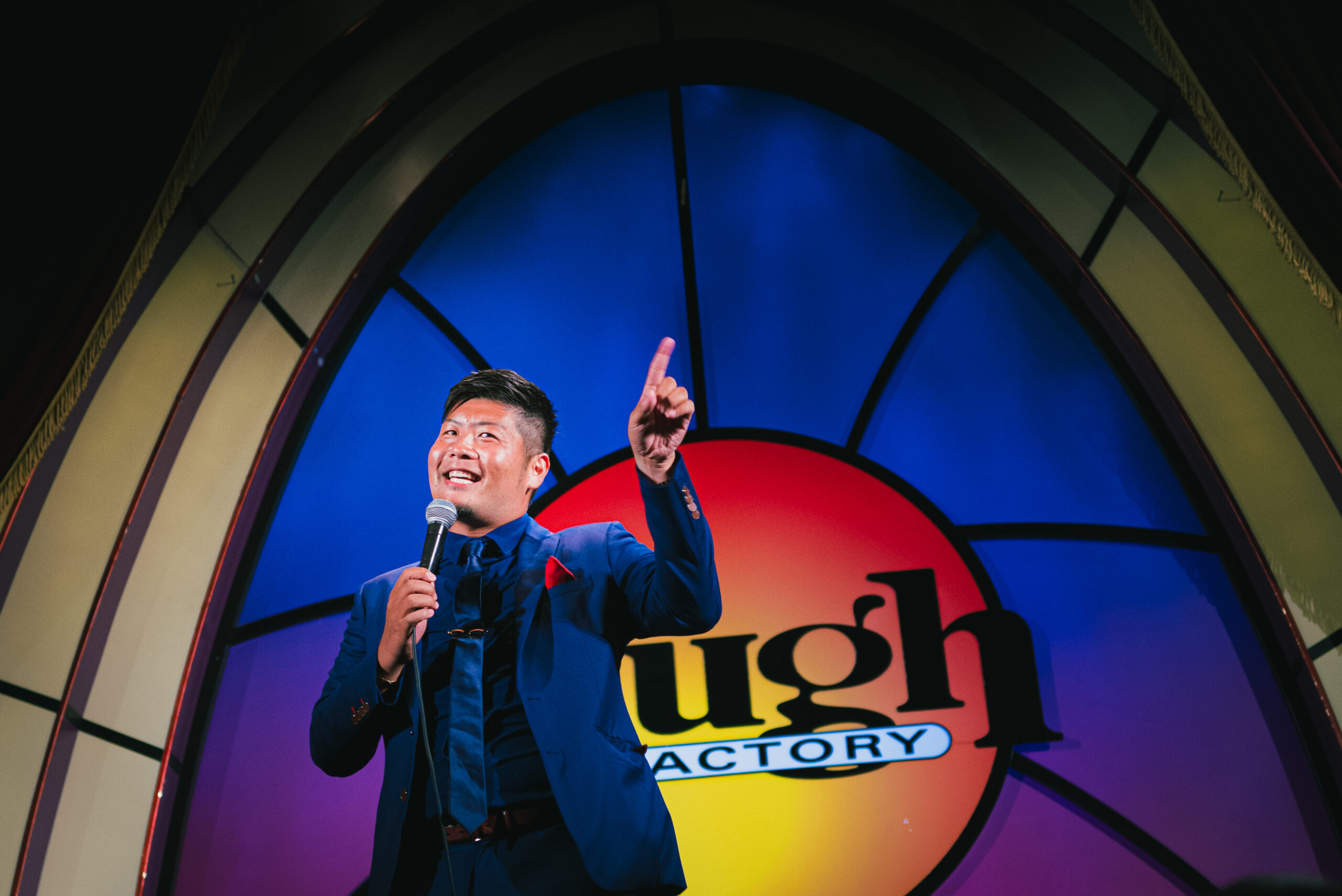
Where would you like your laughs to take you:
I want to make people laugh all over the world.
What would you tell a potential comedian if they ask you how they can own the laughs:
Show who you really are, give yourself completely, and focus on communicating that honestly to the audience.
What are your thoughts on the future of comedy:
AI hasn’t attacked comedy yet, but I hope comedy never exists only inside smartphones. Comedy is a collision of human hearts.
If you could choose ONE comedy club and THREE comedians to perform with on your perfect comedy show, how would it go:
Chez Paree Chicago with Richard Pryor, Mort Sahl, and Joan Rivers — three legends who each changed comedy in completely different ways.
What’s next for you:
Performing in as many places as possible. I’m planning a Japan tour and a run at the Edinburgh Festival this summer.
Why should a person always laugh at life:
Because people look better when they’re smiling — and life becomes a little easier when we laugh at it.
Follow Saku Yanagawa’s comedic journey on these social media websites:
Instagram/Twitter: Saku Yanagawa
Youtube: Saku Yanagawa