
Stand-up comedy has always been about chasing moments that can’t be recreated, and few cities have embraced that pursuit quite like Austin, Texas.
In Nighthawks, producer Joshua Helms and director Peter Pardini capture the city’s explosive comedy movement through a bold blend of documentary filmmaking and cinematic storytelling, creating a film that explores far more than punchlines. It’s an intimate look at ambition, artistry, community, and the late-night world where comedians discover who they really are.
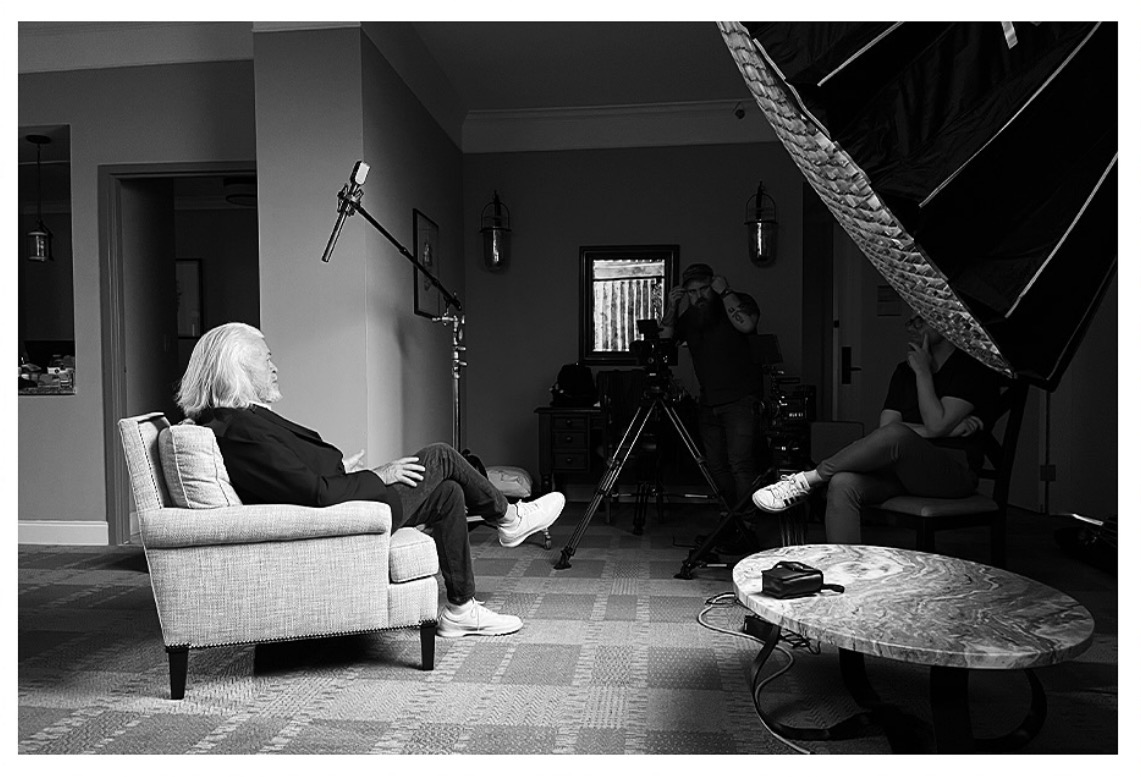
For this exclusive We Own The Laughs interview, comedian and correspondent Tyson Paul sits down with Helms and Pardini to discuss the inspiration behind Nighthawks, the challenges of documenting one of America’s fastest-growing comedy scenes, and the creative decisions that transformed a traditional documentary into something far more immersive.
From conversations about Austin’s evolving identity to behind-the-scenes stories with some of comedy’s biggest names, this interview offers readers a deeper understanding of the people and passion behind one of the year’s most intriguing comedy films.
The Origin of Nighthawks:
What was the defining moment that convinced you Austin’s comedy scene deserved its own feature film?
Josh: My wife and I have always been huge comedy fans, and we were following what was happening in Austin. It felt like we were watching a unique moment in comedy history while it was still happening.
Peter: Watching Kam Patterson in person on Kill Tony and feeling the electricity of the crowd.
Nighthawks blurs the line between documentary and fiction. At what point did you realize a traditional documentary wasn’t enough to tell this story?
Josh: We didn’t want to make another documentary with comedians talking about their craft. We wanted something that felt fast, fun, and alive. The fictional thread wasn’t there to blur reality or make some deeper statement; it was there to give the audience a ride. We took some inspiration from A Hard Day’s Night, where there’s a loose narrative holding together these incredible performances and personalities. That’s what we were chasing.
Peter: We felt that watching comedians wax poetic about their art was the last thing anyone, including comedians, would want to watch. I had suggested a style similar to Coffee & Cigarettes but with a Goodfellas coke sequence editing style.
Why was telling this story over the course of one surreal night the right creative choice?
Josh: It’s the way most people experience Austin comedy. You bounce from club to club, discover new comics, meet interesting people, and before you know it, the sun is coming up haha. Structuring the film that way made it easier for the audience to step into that experience and become a fly on the wall, while giving the story a clear thread to follow.
Peter: It would have become confusing any other way, so it was out of necessity really.
The trailer feels dreamlike and almost hallucinatory. What filmmakers or films influenced the visual language of Nighthawks?
Josh: Visually, we took a lot of inspiration from After Hours and Coffee and Cigarettes. Capturing Austin’s Comedy Boom
Peter: After Hours, Goodfellas, Coffee and Cigarettes.
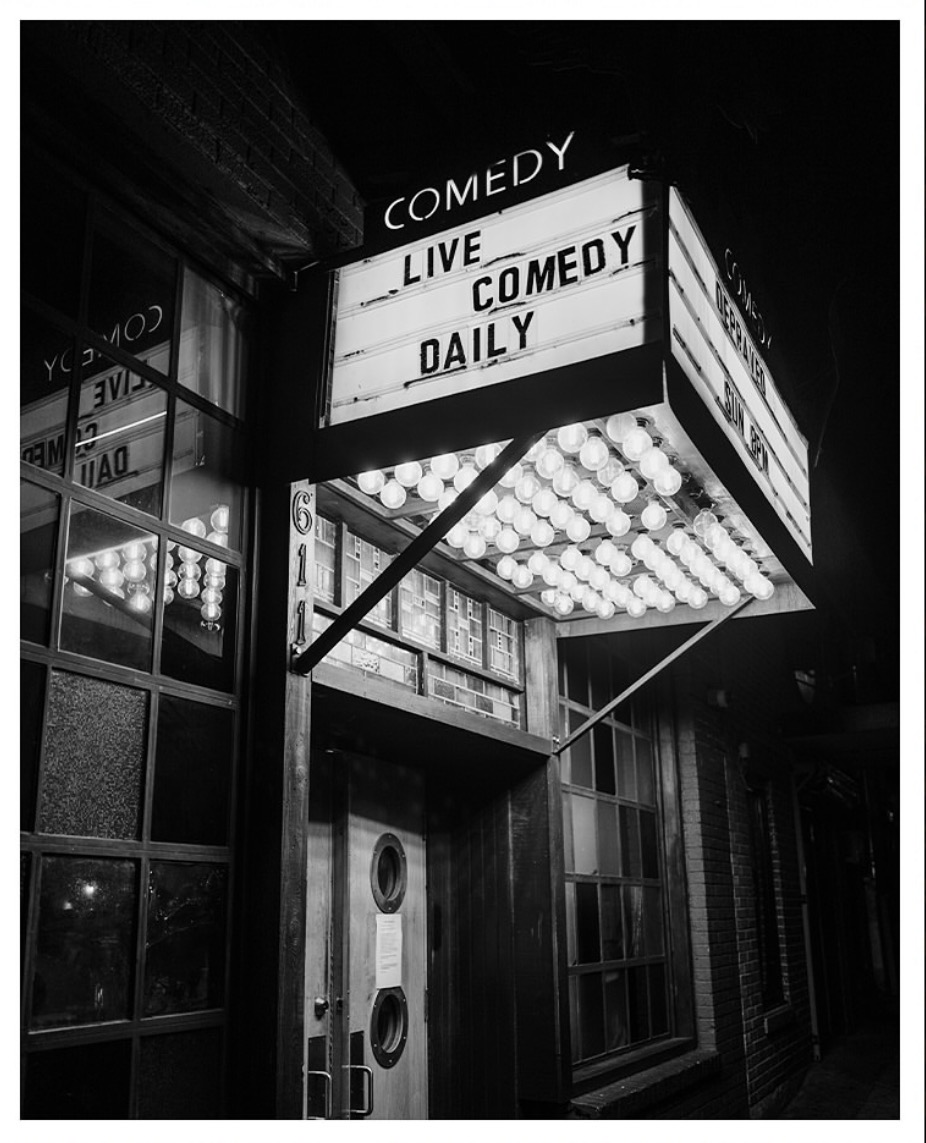
Capturing Austin’s Comedy Boom:
Austin has become one of comedy’s hottest destinations in recent years. What did you discover about the city that outsiders probably don’t understand?
Josh: One of the biggest surprises for me was how little separation there is between the big rooms and the smaller venues. On any given night, you can stumble into an incredible set from someone you’ve never heard of. The same goes for the music scene and even improv. There’s an unbelievable amount of talent spread across the city.
Peter: Texas is always Texas first, but this feels like a true melting pot of recent American ambitions within the comedy scene.
Is Nighthawks ultimately about comedy, or is comedy simply the backdrop for a larger story about ambition and identity?
Josh: Comedy is the vehicle, but underneath it it’s about people betting on themselves and trying to build a life doing what they love.
Peter: It’s about trying to do something with your life for sure.
How difficult was it earning the trust of comedians and getting authentic moments on camera?
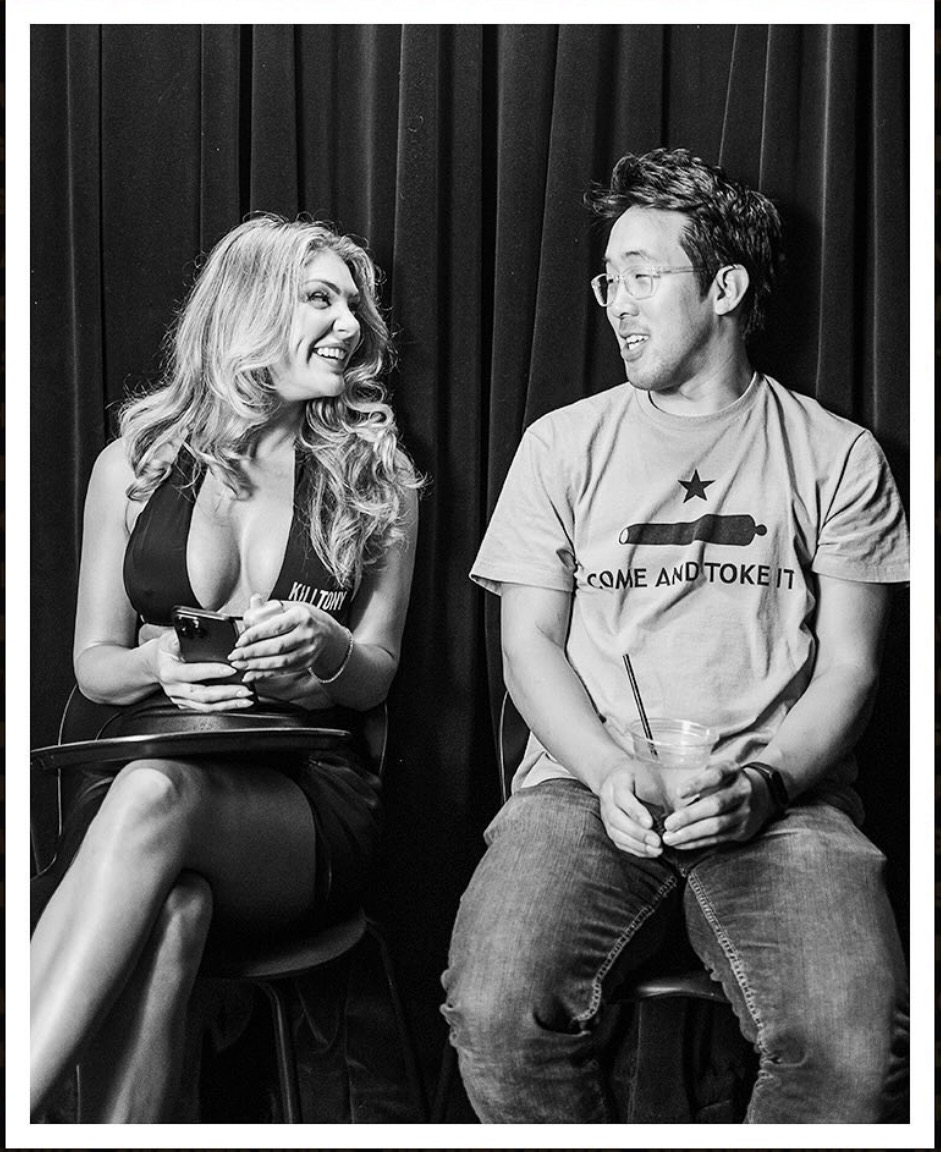
Josh: Scheduling was actually the hardest part. Once everyone was in the room, the conversations happened naturally. We deliberately avoided a traditional interview format. Instead, we paired comics together and let them talk on their own terms. That approach felt more authentic and produced moments we never could have scripted.
Peter: Their trust came sort of easily. Scheduling was the hardest part, considering they are either always performing or sleeping.
Did filming change your own perception of the Austin comedy community?
Josh: Not particularly. It did give me a deeper appreciation for how much time and persistence it takes to build a career in stand-up.
Peter: Not really.
Behind the Camera:
Josh, you served as producer, cinematographer, and editor. How challenging was balancing those creative responsibilities while remaining emotionally connected to the story?
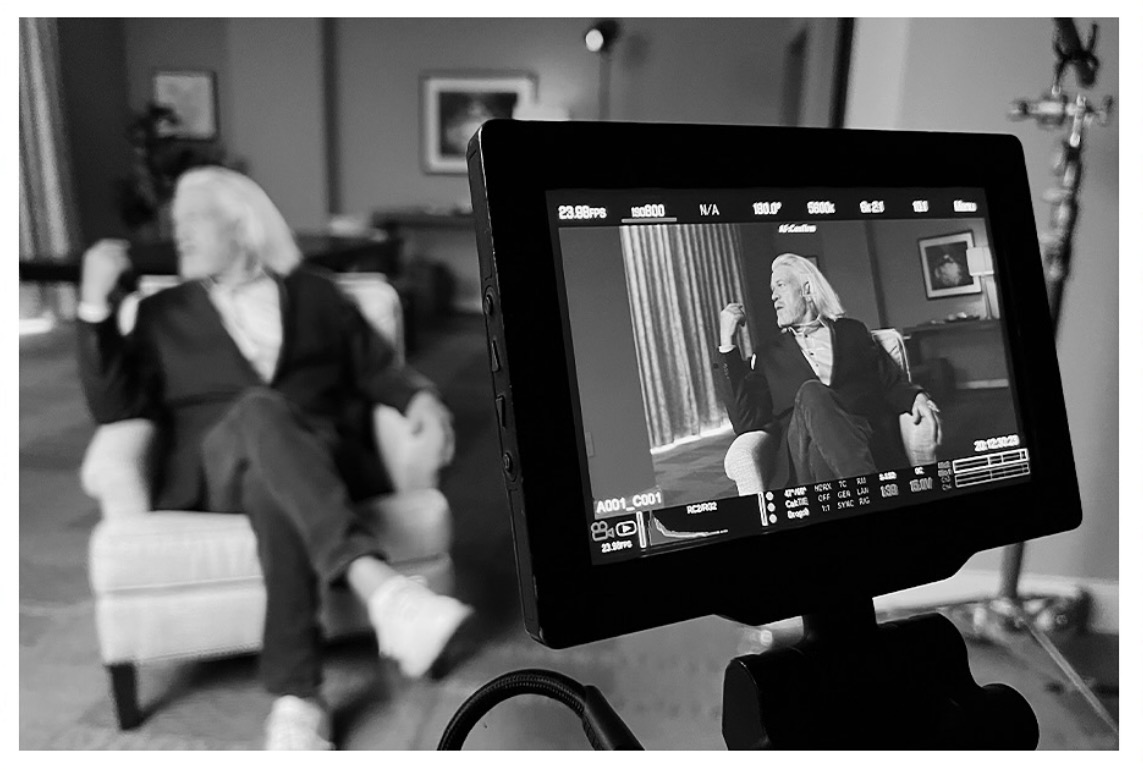
Josh: It was a blur. This was a passion project, so once we established our visual and technical ground rules, we just hit the ground running. One thing that really helped was editing throughout production. We weren’t waiting until the end to see what we had. We were constantly cutting scenes together so we could identify what parts of the story were working and what was still missing. From there, it became a matter of filming as much as we could with whoever was available and willing to be part of it.
Peter, as director and co-editor, how did you determine where reality ended and cinematic storytelling began?
Peter: We basically just filmed A LOT and then pieced it together and then layered over the top with specific elements by the end.
Were there moments during production that completely changed the direction of the film?
Josh: Not really. It was more a series of micro-adjustments than one big turning point.
Peter: Not really, actually. Everything pretty much went according to our original plan outside of normal stuff. We did add a character in who kind of floats in and out of scenes and has a big surprise at the end for one of the comics.
Was there ever a scene so unbelievable that audiences might assume it was scripted—even though it actually happened?
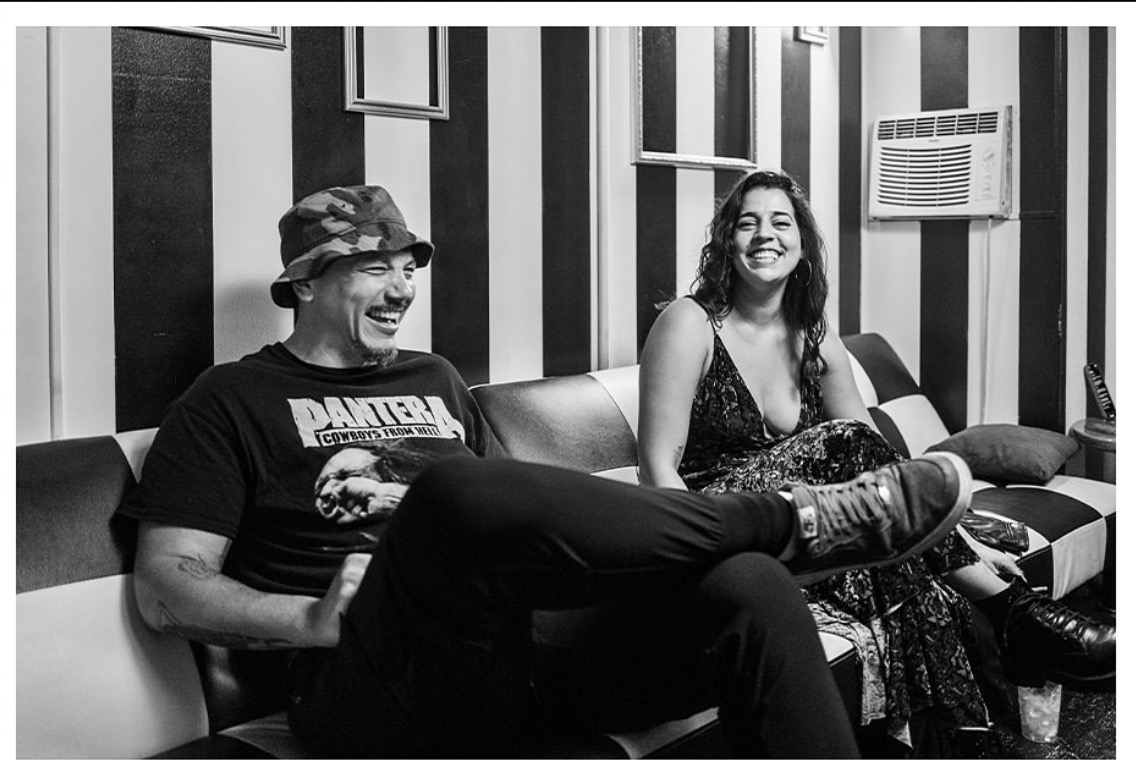
Josh: The conversations might feel this way. We staged them visually like scenes from a narrative film, lighting bars and green rooms and shooting multi-cam. Because of that, I think audiences will assume some of those exchanges were scripted. They weren’t. The comics were just talking to each other naturally, and we just tried to create an environment where those conversations could unfold and capture them from every angle.
Peter: Virtually none of the film is scripted per se, which is what makes it unique. There are a few scenes where we staged the concept but it’s very clear when we do that. The most we did was write narration for a couple people to read but absolutely all of the dialogue and interactions are the comedians coming up with it in the moment. When there’s a camera, people inevitably perform so that’s one of the other reasons to do a “filmic” lighting setup and aim multiple cameras and get what you get. It ends up looking like scenes in a movie but they’re just people talking to each other.
The Comedians:
The film features an incredible collection of comics, from Ron White and Ari Shaffir to Brian Redban, Kam Patterson, and many rising performers. How did you decide whose perspectives best represented Austin’s scene?
Josh: We tried to shoot with everyone who said yes. That was part of the philosophy. We weren’t trying to handpick who represented Austin comedy. We wanted the film to reflect the scene as authentically as possible, and that meant including comics at every stage of their careers.
Peter: We asked almost everyone in the scene to participate, and they’re the ones who said yes. That’s all there is to it.
Was there one interview that completely surprised both of you?
Josh: Uncle Lazer surprised me. People know him for his larger-than-life persona, but he was incredibly thoughtful and generous with us throughout the process.
Peter: Yondr Wizard perfectly lip syncing his music. That’s harder than he made it look!
Which comedian ended up revealing something you never expected?
Josh: Kam Patterson. He’s got that kind of presence where you immediately feel like he’s headed somewhere. After one of our shoot days in February 2025, Peter texted me, ‘Kam could do SNL.’ I still have the screenshot. A few months later, he was announced as one of the new cast members. What excites me is that Nighthawks captures him at that exact point in his career. Looking back now, there’s something really special about preserving that moment before the rest of the world caught up.
Peter: This isn’t really that kind of movie, to be honest. Any vulnerability or reveals are under the surface. Kam and Uncle Lazer talking about what’s next in life was great though.
Did anyone challenge your original vision for the film in a positive way?
Josh: Peter and I challenged each other constantly, and I think the film is much better because of it. We were almost always aligned on the overall style and pacing, but we weren’t afraid to debate individual scenes, edits, and creative choices. Those conversations forced us to justify our decisions, and the final film is stronger because of it.
Peter: Only Josh in the editing process. We had great collaborators in Chase Graves and Andrew Stanek, but they were the facilitators with comics and venues and putting on the Locals Only comedy shows that serve as the backdrop for a lot of the backstage stuff. They stayed out of our way creatively outside of normal ideas and excitement. Josh and I basically made this entire movie by ourselves before we went to post-production and had several great people doing color and sound. But Josh and my creative decisions feel like a blur now. Most of the challenge actually came during trailer development because it’s way harder in a lot of ways to do a good trailer.
Comedy Today:
Austin has become one of the most talked-about comedy cities in America. What responsibility comes with documenting a movement that’s still unfolding?
Josh: I don’t think we ever felt like we had some responsibility to define the scene; we just wanted to capture it. Austin’s a city we love, and there are a lot of talented people making cool shit here, and we wanted to share that with people.
Peter: Just film what’s happening and show it. That’s pretty much it in my opinion. They are not precious over themselves. We just wanted to make a hang movie.
Has social media changed the way comedians build careers, and does Nighthawks reflect that evolution?
Josh: I’m sure it’s changed the business in a lot of ways, but that wasn’t really our focus. Nighthawks is about the people and the scene itself, not how comedians market themselves.
Peter: Nighthawks has nothing to do with social media other than a couple jokes about it. But I’d say it definitely has in reality.
Do you think today’s comedy scene is healthier than it was ten years ago, or simply more visible?
Josh: I’m honestly not sure. I grew up on comedy legends, and it feels like stand-up has always gone through cycles. Right now we’re definitely in an upswing, but whether the scene is healthier or just more visible, I don’t know if I’m qualified to say.
Peter: In Austin? It’s exploded in Austin. I can’t really speak on the whole comedy scene everywhere though.
What do you hope comedians take away from watching this film?
Josh: I hope they watch it and feel like we did right by them. We weren’t trying to tell
anyone’s story for them. We just wanted to capture this community honestly, and I hope they’re proud to have been part of it.
Peter: They were part of something that happened in a very specific moment in time, and to take it with them. This movie probably wouldn’t have happened without COVID.
Creative Process:
The trailer suggests themes of obsession, nightlife, loneliness, and artistic pursuit. Were those intentional from the beginning, or did they emerge naturally in the editing room?
Josh: Those themes weren’t really intentional from the beginning. They revealed themselves as we spent more time with the footage. Once we recognized them, we leaned into them through the edit with music, visuals, and the narrative, but they came from the people we were filming.
Peter: That’s all under the surface, to be honest. This is a fast-paced hangout movie that cuts in and out of conversations. I hate to say our movie doesn’t have themes; it does. It’s just not something we really hit the audience over the head with unless we’re first showing that theme play out. The style and rhythm are totally intentional, but the content revealed itself over time.
What was the hardest sequence in the film to edit?
Josh: For me, it wasn’t one specific sequence. It was the pacing of the film as a whole. Peter did an incredible job shaping the overall structure, and together we spent a lot of time refining the rhythm of the night. We wanted the film to feel like one continuous experience, and finding that pace was something we worked on right up until the end.
Peter: The first 5 minutes because it introduces pretty much everyone.
Was there an important scene you loved but ultimately had to leave out?
Josh: There are too many to pick just one. We shot around 40 terabytes of footage, so leaving great material on the cutting room floor was inevitable. I’m excited to find a way to share some of those moments in the future because there’s a lot of really good stuff people haven’t seen.
Peter: If I’m being honest, I don’t remember (Laughs). There was so much footage and I’m pretty sure a portion of all of it is in the film. Most of our “scenes” were an hour long and end up being 3 minutes in the film.
If audiences only remember one image from Nighthawks, what do you hope it is?
Josh: There is one shot that comes to mind, but I’d rather not spoil it. More than any single image, I hope people walk away feeling like they saw a movie. I hope they laughed, got swept up in it for ninety minutes, and forgot about everything else for a while. More than anything, I hope it feels like a shared experience. Those are becoming harder to find, and it’s one of the reasons I think stand-up comedy is still so important. There’s something special about a room full of people laughing together with no distractions.
Peter: People having fun and not looking at their phones. Generally.
Looking Ahead:
Could this documentary-fiction approach work in another comedy city like Chicago, Los Angeles, or New York?
Josh: I think the format absolutely could work somewhere else. The idea of capturing a snapshot in time isn’t unique to Austin. But Nighthawks is very much an Austin film. It captures a scene that was on a rapid rise and a culture that felt really unique. I love the comedy, such as scenes in Los Angeles, Chicago, and New York, and their stories deserve to be told too. At the same time, those cities have been documented for decades. Austin felt like a moment that hadn’t really been preserved yet.
Peter: I’m not sure. Those scenes have way more people, and it may not work as it does with the community vibe of 6th street and thereabouts.
What’s one misconception about Austin comedy that Nighthawks completely challenges?
Josh: I think people sometimes assume Austin comedy is this one-dimensional thing, but that wasn’t our experience at all. We met comics from all kinds of backgrounds and with all kinds of perspectives. What united them wasn’t politics or ideology. It was that they wanted to be in a city with a great comedy scene and get better at what they do. That’s the Austin we wanted to show.
Peter: I don’t know, really. The audience will decide that.
After making this film, what excites you most about the future of stand-up comedy?
Josh: As AI becomes a bigger part of everyday life and we spend more and more time online, I think people are going to crave real experiences even more. Stand-up is one of the few places where a room full of strangers comes together and shares the same moment. I think that’s good for the soul, and I don’t see that ever going away.
Peter: I just like people going to shows and not having their phone. There’s no way to predict what comedy itself will do, though. I hope it makes its way into actual narrative film again at some point, in a meaningful way. Comedy in general, that is.
Finally, if you had to describe Nighthawks in one sentence to someone who has never stepped inside a comedy club, what would you say?
Josh: It’s a fast-paced hangout film that puts you in the middle of Austin’s comedy scene.
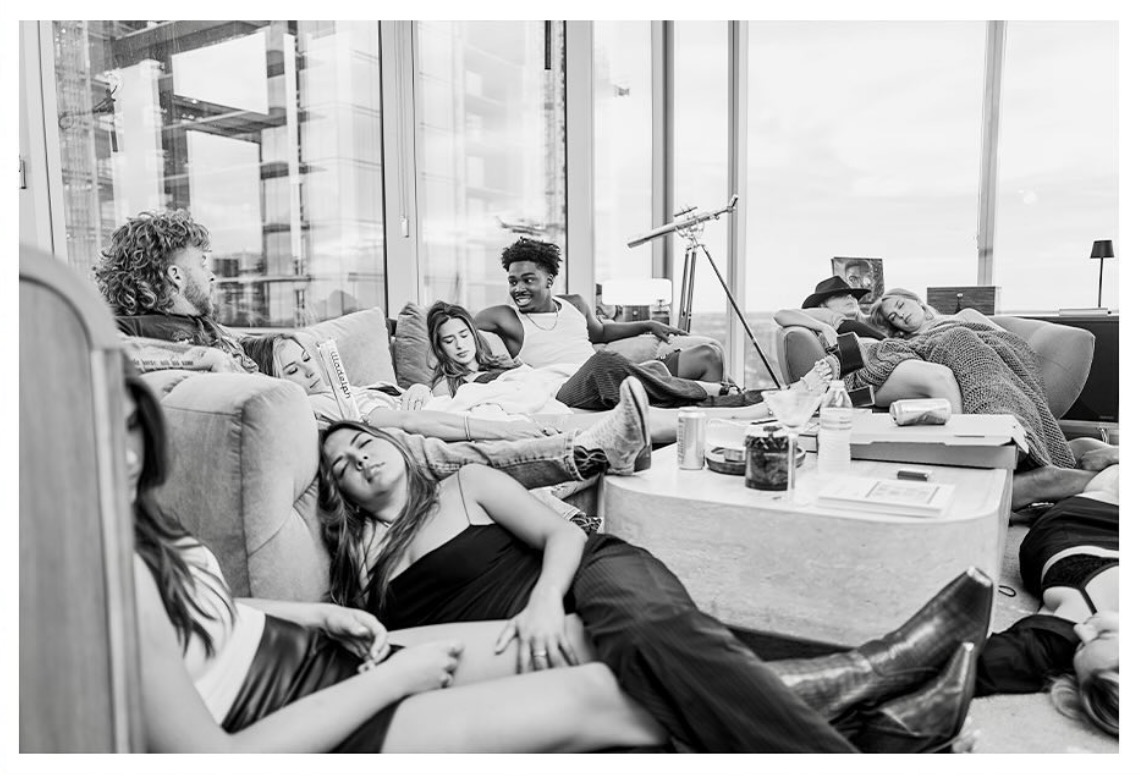
You’re backstage with comics, in recording studios, at house parties, and in the audience for live shows. We wanted it to feel like you actually spent a night there.
Peter: Funny and ambitious people hang out, party, run around Austin and shoot the shit
and it’s musically scored by local bands.
*We Own The Laughs Bonus Round*
Which comedian is the unofficial mayor of Austin after midnight?
Josh: No comment. *Wink*
Peter: I went home before midnight (Laughs).
What’s the funniest unscripted moment that didn’t make the final cut?
Josh: There isn’t one that stands out above the rest. We had so many funny moments that
didn’t make the film simply because there wasn’t room for them. Hopefully we’ll find a way to release some of those in the future.
Peter: I don’t remember, to be honest.
Who in the film made the crew laugh the hardest off-camera?
Josh: With my producer hat on, I’d say that all comedians are equally funny.
Peter: I can’t pick just one.
If Nighthawks had a comedy soundtrack, what would be the opening song?
Josh: Peter mentioned the Rolling Stones track already. What I’d really love to see is the
Nighthawks soundtrack pressed on vinyl someday. We were lucky enough to work with some incredible local bands, and it’d be fun to give those songs a life outside the film if there’s enough interest.
Peter: I’m not sure I understand the question. But we did fantasize about being able to use “B*tch” by The Rolling Stones because its energy was good for the scene.
Finish this sentence: “Austin comedy isn’t just a scene—it’s ________.”?
Josh: A goddamn arms race.
Peter: A community.
As the conversation comes to a close, it’s clear that Nighthawks isn’t simply a film about stand-up comedy—it’s a snapshot of a cultural moment. Through Joshua Helms and Peter Pardini’s creative vision, Austin’s comedy scene becomes a living, breathing character, revealing the ambition, uncertainty, camaraderie, and relentless pursuit that define the lives of comedians long after the spotlight fades.
Whether you’re a lifelong comedy fan, an aspiring performer, or someone fascinated by the stories behind the stage, Nighthawks offers a rare look inside one of the most influential comedy communities in America. We Own The Laughs extends its thanks to Joshua Helms and Peter Pardini for sharing their journey and creative process, and to our own Tyson Paul for leading a thoughtful conversation that goes beyond the laughs to uncover the heart of the film.
Be sure to follow Nighthawks as it continues its festival run and upcoming release, and stay connected with We Own The Laughs for more exclusive interviews celebrating the comedians, creators, and visionaries shaping the future of stand-up comedy.