A growing group of stand-up comedians is calling for changes to Sebastian Maniscalco’s Comedy Radio, arguing that SiriusXM’s rebranding of its longtime Raw Comedy channel has dramatically reduced airtime, exposure, and royalty opportunities for hundreds of working comics.
One of stand-up comedy’s biggest stars is suddenly finding himself at the center of one of the industry’s most heated conversations.
Sebastian Maniscalco has spent years building an impressive entertainment empire through sold-out arena tours, television, film, podcasting, and business ventures. But this week, the superstar comedian’s partnership with SiriusXM is drawing significant criticism from fellow stand-up performers concerned about changes to one of satellite radio’s most important comedy platforms.
On October 5, a growing number of comedians took to social media to amplify concerns surrounding SiriusXM’s transformation of its longtime Raw Comedy channel into Sebastian Maniscalco’s Comedy Radio.
Comedians including Margaret Cho and Michelle Wolf are among the performers who have publicly spoken out about the changes, while the broader online campaign has generated discussion throughout the stand-up community over what the new programming strategy means for comedians who aren’t household names. TMZ reported that the backlash centers largely on two issues: reduced exposure for lesser-known working comedians and the loss of royalty income generated through satellite-radio airplay.
The controversy extends beyond which comedians are being played. For many performers, the debate is about whether an increasingly top-heavy comedy industry is eliminating one of the few remaining revenue streams available to comics who make their living between clubs, theaters, road dates, albums, and streaming platforms.
From Raw Comedy To Sebastian Maniscalco’s Comedy Radio
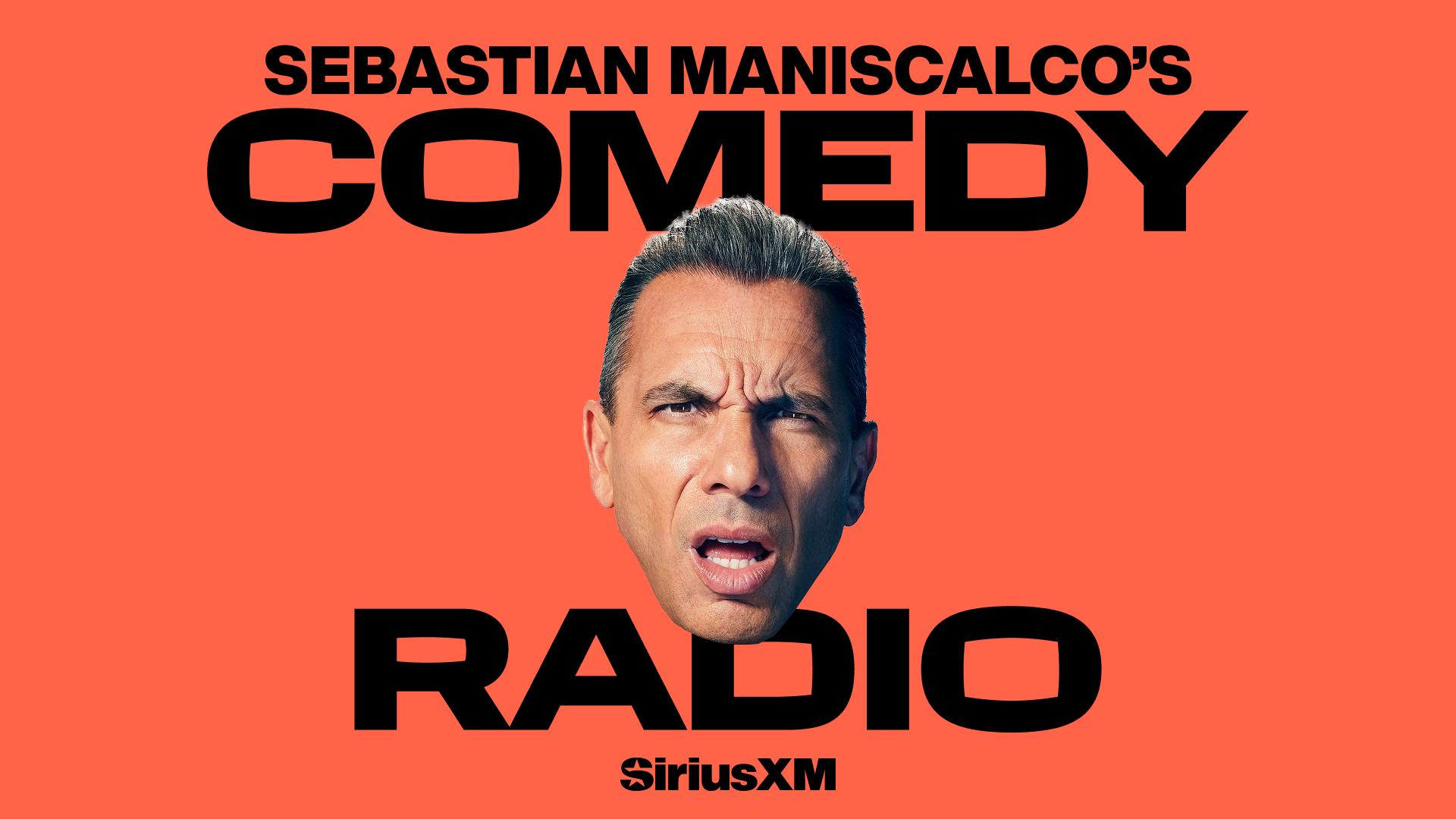
In April 2026, SiriusXM entered into a multi-year agreement with Maniscalco that transformed Channel 99 into Sebastian Maniscalco’s Comedy Radio, a 24/7 destination curated and headlined by the comedian. SiriusXM promoted the partnership as an expansion of Maniscalco’s comedy empire, with his own flagship program alongside uncensored stand-up and additional original programming.
The channel has since moved to Channel 102.
But according to data compiled by comedy advocacy organization Stand Up for Stand Up, the transition brought a dramatic change in whose material was receiving airtime.
Before the rebrand, Raw Comedy offered spins to a considerably wider range of comedians. According to the organization’s analysis of data supplied by XMPlaylist, the number of distinct comedians receiving airplay dropped from more than 800 to just 275 as the new programming strategy took hold.
The organization reports that the active roster fell approximately 66 percent, from a high of 812 comedians in April to 275 in September. At the same time, more than 75 percent of the channel’s plays went to its top 50 artists, creating what critics view as an increasingly concentrated system favoring established performers.
Perhaps most striking is that the overall amount of stand-up being played didn’t dramatically disappear.
According to the same analysis, total monthly spins remained between approximately 7,800 and 9,400. What changed was how those spins were distributed.
In other words, there wasn’t necessarily less comedy being played.
There were significantly fewer comedians sharing the airtime.
Why SiriusXM Spins Matter To Working Comics?
For comedians outside the arena-headlining tier, satellite-radio exposure can mean much more than hearing their material broadcast nationally.
It can mean money.
Stand Up for Stand Up estimates that a SiriusXM satellite-radio spin can generate approximately $15 in royalties for a comedian, though individual earnings can vary depending on rights and contractual arrangements. For performers receiving dozens of spins every month, that passive income can become a meaningful piece of the financial puzzle required to maintain a professional comedy career.
That is particularly important to what the organization describes as comedy’s “middle class”: professional comedians who earn their living performing but haven’t reached the financial security of major celebrity headliners.
These are performers touring comedy clubs, selling albums, opening for larger acts, producing independent specials, creating podcasts, and traveling across the country every week.
For those comedians, losing 20, 30, 40 or more satellite-radio spins isn’t simply losing publicity.
It’s potentially losing thousands of dollars over the course of a year.
And the numbers illustrate just how dramatically the channel’s distribution has changed.
Stand Up for Stand Up compared March 2026—the final full month before the rebrand—with September 2026. Of the 100 most-played comedians during each period, only 25 names appeared on both lists.
Seventy-five performers who had been among the Top 100 in March were absent from September’s Top 100.
At the lower end of those rankings, the difference becomes even more apparent: the No. 100-ranked comedian received 25 spins in March, compared with just four spins for the No. 100 performer in September. Meanwhile, the highest-ranked performer jumped from 90 spins in March to 183 in September.
SiriusXM Defends Its New Direction
SiriusXM, however, is pushing back against the suggestion that the company has abandoned stand-up comedy or working comedians.
Following the growing backlash, TMZ reported that sources familiar with the situation described the changes as part of SiriusXM’s regular evaluation of channel performance and a decision to pursue a new creative direction while continuing to feature comedy across its platform.
The company also emphasized that Sebastian Maniscalco’s Comedy Radio is a collaboration between SiriusXM and Maniscalco, with the comedian taking a larger role in shaping the channel’s creative direction.
A SiriusXM spokesperson told TMZ that the company works alongside its creative partners to develop programming for listeners and said the launch of Maniscalco’s channel introduced both a new creative direction and an evolving programming mix.
The company additionally maintained that it continues to make a substantial investment in comedians and comedy programming across its channels.
That defense, however, doesn’t necessarily address the central complaint being raised by working comedians.
The question isn’t simply whether SiriusXM still plays stand-up comedy.
It’s who gets played—and who gets paid.
A Bigger Conversation About Comedy’s Shrinking Middle Class
The controversy surrounding Sebastian Maniscalco’s Comedy Radio arrives during a complicated period for professional stand-up.
Comedy may be more visible than ever. Netflix specials, YouTube releases, podcasts, TikTok clips, arena tours and independently produced content have created unprecedented opportunities for comedians to reach audiences directly.
But visibility doesn’t always translate into sustainable income.
For every comedian selling out arenas, hundreds of professional comics are piecing together careers through club dates, theater appearances, writing jobs, podcast revenue, merchandise, album royalties and other income streams.
Satellite radio has historically been one piece of that ecosystem.
That is why the debate surrounding SiriusXM has become larger than Maniscalco himself.
Critics aren’t necessarily arguing that successful comedians shouldn’t receive substantial airplay. Instead, they’re questioning whether a platform historically capable of introducing listeners to hundreds of working performers should increasingly concentrate its airtime among a much smaller group of established names.
Stand Up for Stand Up argues that the shift damages not only royalty income but also discoverability—one of the most valuable resources an emerging or mid-career comedian can receive.
For comedians spending years developing material, recording albums and trying to turn national exposure into ticket sales, losing that pipeline can have consequences extending well beyond a royalty statement.
Where Does Sebastian Maniscalco Fit Into The Debate?
That remains one of the most complicated elements of the controversy.
Maniscalco didn’t simply purchase Raw Comedy and personally remove hundreds of comedians from satellite radio. SiriusXM made a corporate programming decision and entered into a major partnership with one of stand-up’s most commercially successful performers.
At the same time, SiriusXM acknowledges that Maniscalco now has a larger role in shaping the channel’s creative direction, making it understandable why frustrated comedians are directing some of their appeals toward him.
For Maniscalco, whose success represents the possibilities available at the highest levels of modern stand-up, the situation now presents an unusual opportunity.
The same platform carrying his name could potentially become one of comedy’s strongest vehicles for showcasing established stars and introducing audiences to the next generation of working comedians.
Whether SiriusXM and Maniscalco respond to those requests by broadening the rotation remains to be seen.
What is clear is that working comedians have made the issue public.
And they’re asking the comedy community to pay attention.
For an industry built around performers fighting for stage time, the latest battle isn’t happening under a spotlight.
It’s happening over airtime.


